
Measurement-based care without the paperwork
Short questionnaires, used regularly, can tell you when therapy is quietly going off course. Here’s how to do it in two minutes a session, without turning your room into a clinic.
Tools for Therapists 8 min read
Most of us can tell when a session went well. We can feel it in the room. What we’re much worse at — and the research is unkind on this point — is telling when therapy as a whole is quietly going nowhere.
When researchers have asked therapists to rate their own effectiveness, most put themselves well above average, and almost nobody puts themselves below it. That isn’t vanity. It’s what happens when the only instrument you have is your own impression, and your impression is shaped by clients who like you, who turn up, and who tell you the sessions help.
Measurement-based care is the unglamorous fix. A short questionnaire, the same one, every session or every few. It takes two minutes. And it tells you something your instinct can’t: which way the line is going.

Why bother, if sessions feel fine?
Because “feels fine” is exactly when things slip past. Clients who are getting worse rarely announce it. They keep coming, they keep being pleasant, and one week they just don’t come back.
The strongest finding from studies of routine outcome monitoring — much of it from Michael Lambert and colleagues — is that regular feedback helps most with the clients who are not on track. The ones you might not have noticed. Seeing a flat or rising line gives you a reason to stop and ask, while there’s still time to change course.
Here’s what that looks like in practice.
Reading a score line
GAD-7 over eight sessions. Pick a pattern.
- What it may mean
- Scores come down a little most weeks. Therapy is probably on track.
- Next session
- Name it together: “Your scores have come down quite a bit since we started. Does that match how things feel?” Seeing progress in black and white can be motivating in itself.
None of these lines tells you what to do. They tell you what to talk about. That’s the whole point.
“But won’t it feel clinical?”
It can — if you do it badly. Hand a client a clipboard at the door, never mention it again, and file the scores somewhere they’ll never be seen: yes, that feels like admin. Clients notice when a form is for the system rather than for them.
Done well, it’s the opposite. The questionnaire becomes a shared language. “Your sleep score jumped this week — what happened?” is a far better opening than “So, how’s your week been?”, and many clients find it easier to tick “nearly every day” than to say out loud how bad things are.
Pick one measure and stick with it
The temptation is to measure everything. Resist it. One short, well-chosen questionnaire, used consistently, beats a battery of five that nobody fills in after week three.
Choose it for the main thing you and your client are working on, not for the diagnosis on the referral. And keep it short enough that it never eats into the session.
What do you want to track?
Try the GAD-7
Seven questions, about two minutes. The quickest way to follow general anxiety from week to week.
Open the GAD-7Make it take two minutes, not ten
The practical side is where most good intentions fall over. A few things make it painless:
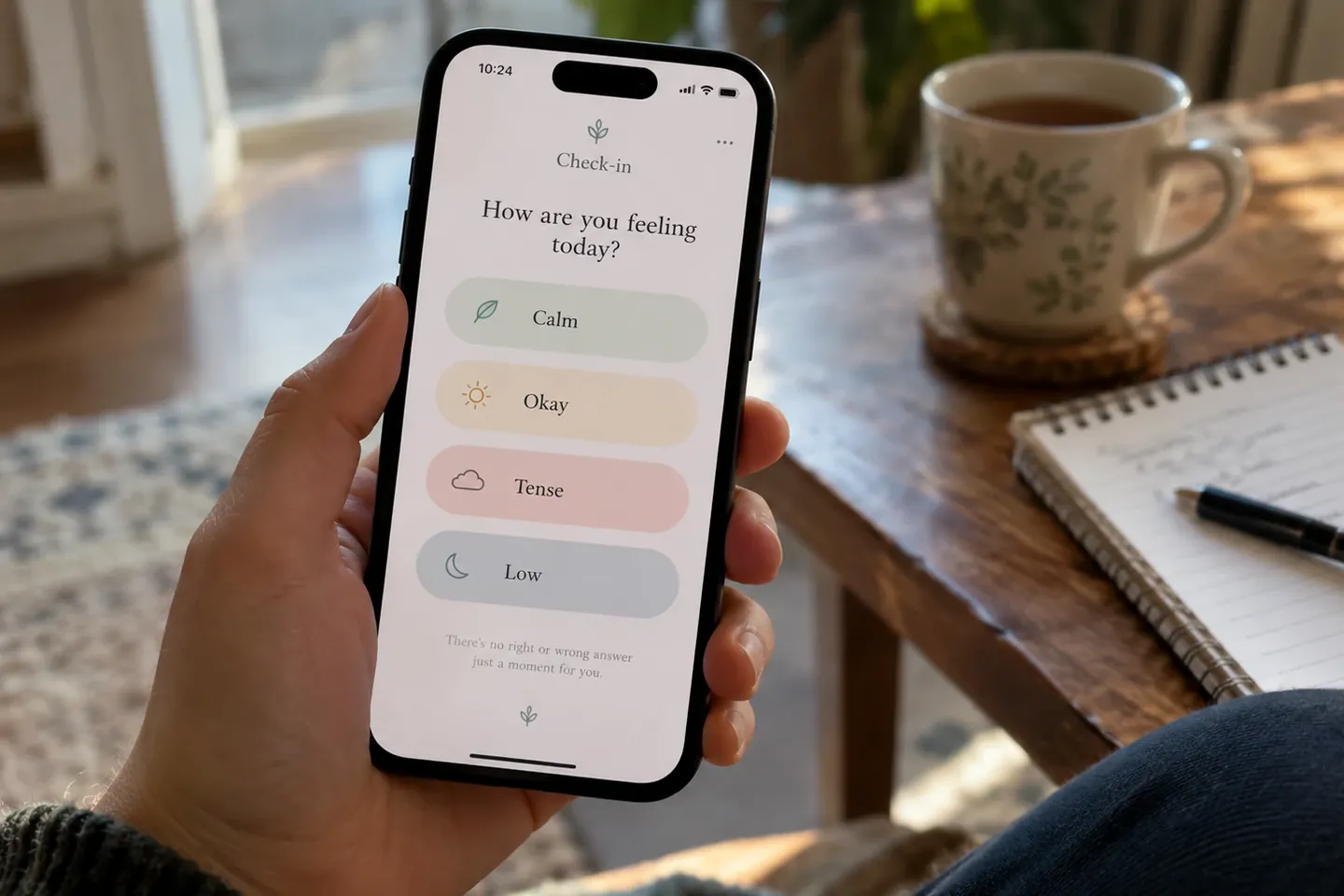
- Have it done before the session. Send a link a day before, or ask clients to fill it in on their phone in the waiting room. You start the session with the result already in front of you.
- Same questionnaire, same timing. Weekly for short ones like the GAD-7. Every few sessions for longer ones. Consistency matters more than frequency.
- Let the scoring happen by itself. Adding up columns by hand is where the two minutes become ten. Online versions that score instantly — like the ones on this site — take that away entirely.
- Glance, then put it down. One look at the number and the trend, one question about it, then back to the session. It’s a compass, not an agenda.
What the number can’t tell you
A score is a conversation starter, never a conclusion. It doesn’t know that your client’s mother died last week, that they filled it in at midnight, or that they’ve learned to under-report because being “too much” got them into trouble as a child.
So when the number and your sense of the client disagree, don’t pick a winner. Get curious. Some of the most useful conversations in therapy start with “The score says one thing, and you seem to be telling me another.”
Start this week
You don’t need a new system. You need one questionnaire and a habit.
Your first week of measurement-based care
0 / 6
The surprises are the point. Every therapist who does this for long enough has a story about the client they were sure was improving — until the line said otherwise, and the conversation that followed changed the course of the work. That’s two minutes well spent.
This article is for professional education and doesn't replace clinical training or supervision.